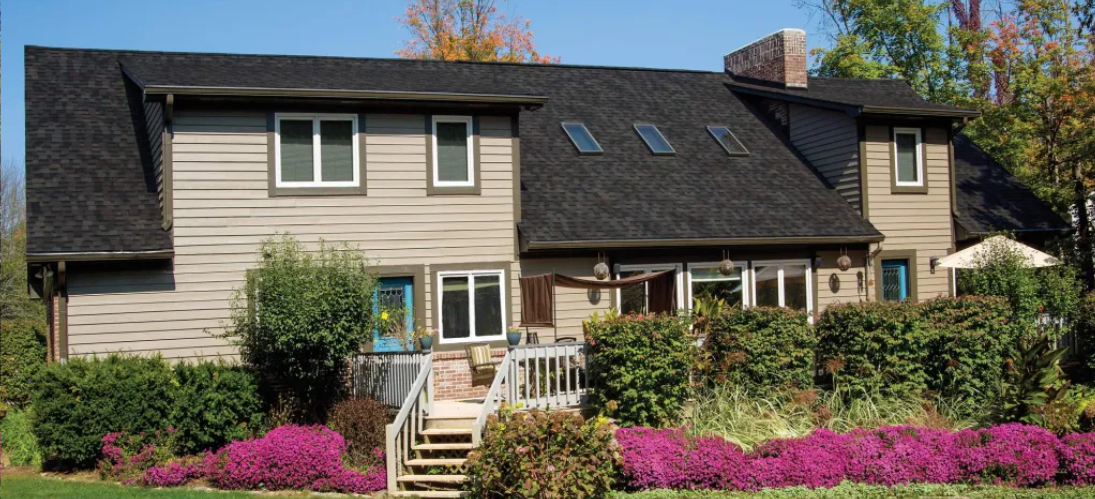

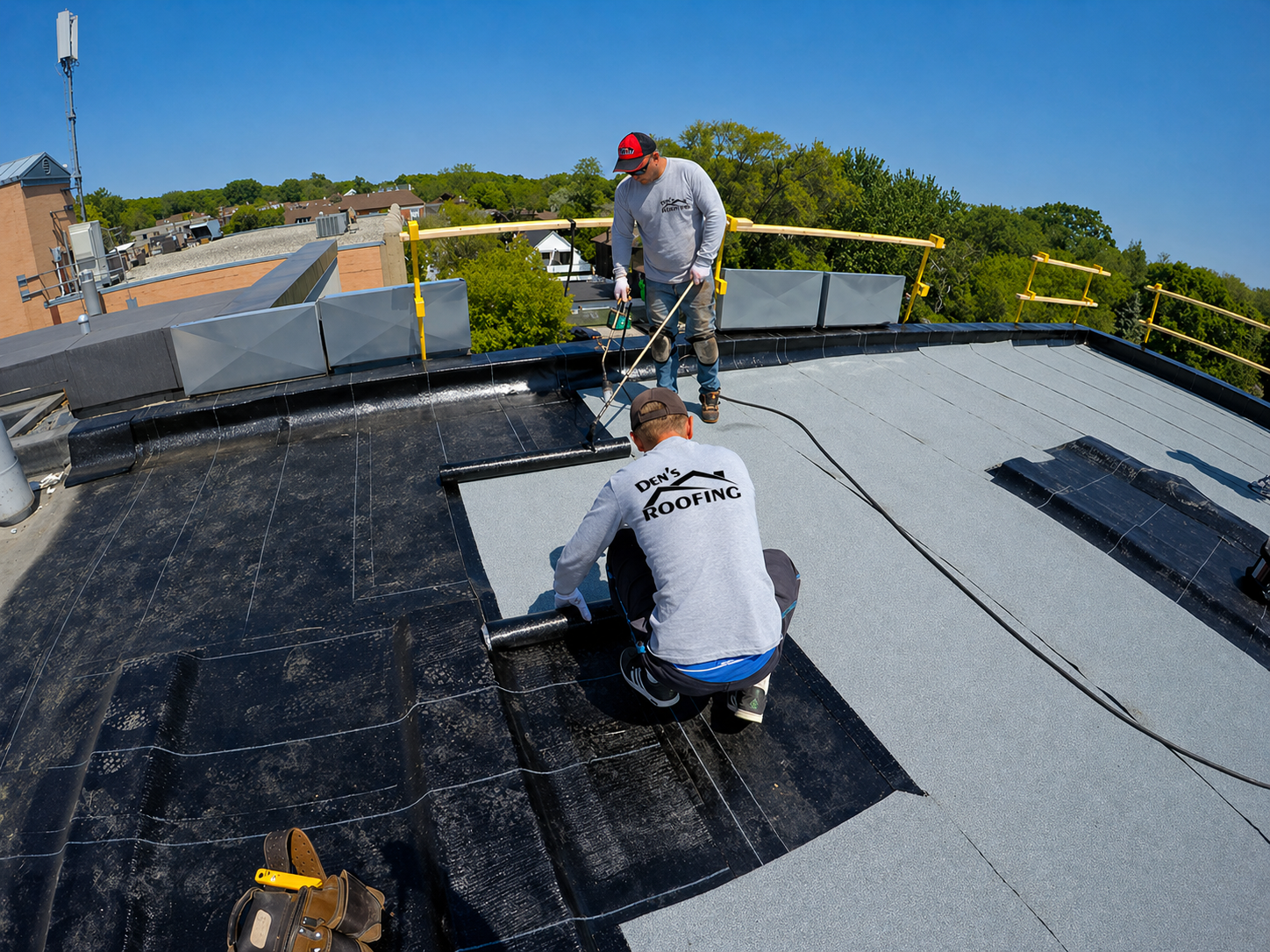
Asphalt shingles are designed to form a continuous protective surface over a home, helping move rain, melting snow, and other moisture safely toward the roof edges and drainage system. When even a small number of shingles become loose, lifted, cracked, or completely missing, that protective system can become vulnerable.
For homeowners in Orleans and Gloucester, missing or lifted shingles should never be treated as a purely cosmetic problem. Ottawa roofs experience strong winds, heavy rainfall, snow, ice, and repeated freeze-thaw cycles throughout the year. A shingle that has partially lifted during one weather event may become more vulnerable during the next. The National Roofing Contractors Association notes that strong winds can damage roofing incrementally, and once roofing material loosens, subsequent wind can continue lifting and peeling it away.
The good news is that identifying damaged shingles early can often allow a relatively localized roofing concern to be addressed before water reaches the roof deck, insulation, ceilings, or other areas of the home.
What Is the Difference Between a Missing and a Lifted Shingle?
A missing shingle is relatively straightforward: part or all of the roofing material has detached from the roof.
Depending on the roofing system, this may leave underlayment or another portion of the roof assembly exposed.
A lifted shingle is less obvious.
The shingle may still appear to be in its normal position from the ground, but part of it may no longer be securely sealed against the roofing surface. Wind can break or weaken the shingle’s seal, allowing the edge or tab to lift.
That makes lifted shingles particularly easy for homeowners to overlook.
A roof can therefore appear complete from the driveway while still having areas that require professional attention.
Why Missing Shingles Need Prompt Attention
Every asphalt shingle contributes to the roof’s ability to shed water.
When shingles are missing, the materials beneath them receive greater exposure to weather. NRCA guidance specifically warns that missing or torn shingles leave the roof structure and building interior vulnerable to water damage and that nearby shingles can become more susceptible to being torn or blown away.
One missing shingle does not automatically mean an entire roof needs replacement.
It does mean the area should be assessed.
The condition of surrounding shingles, underlayment, fasteners, flashing, and roof deck all influence the appropriate repair.
Why Lifted Shingles Can Be Difficult to Detect
Missing shingles often create an obvious visual gap.
Lifted shingles may not.
A shingle can remain physically attached while its seal has been compromised. During calm weather, it may settle back into position and look normal from below.
When the next windstorm arrives, however, air may again move beneath the weakened area.
Repeated movement can eventually:
- Crease the shingle
- Loosen fasteners
- Break the shingle
- Allow wind-driven rain underneath
- Affect neighbouring shingles
- Lead to complete shingle loss
This is why a professional inspection after significant wind events can be worthwhile even when homeowners do not immediately see missing roofing materials.
Why Wind Is Such an Important Factor
Wind does not affect every part of a roof equally.
Roof shape, wind direction, surrounding buildings, trees, roof height, and roof edges all influence wind pressure.
NRCA explains that wind damage commonly begins around roof edges. Once roofing material becomes loose, wind can get underneath it, creating a progressive peeling effect during subsequent wind events.
For an asphalt shingle roof, this means one weakened area can potentially become a larger repair if it is repeatedly exposed to strong winds.
Aging Shingles Can Become More Vulnerable
Asphalt shingles change as they age.
Years of exposure to sunlight, temperature fluctuations, precipitation, and winter weather can gradually affect their flexibility and condition.
Older shingles may begin to:
- Curl
- Crack
- Split
- Lose granules
- Become brittle
- Lose sealing effectiveness
NRCA identifies curling, splitting, dislodged tabs, and missing shingles as deterioration that should be addressed as part of residential roof maintenance.
An older roof in Orleans or Gloucester may therefore experience shingle lifting during conditions that a newer, properly installed roofing system handles without difficulty.
Ottawa’s Freeze-Thaw Cycles Add Another Challenge
Wind is not the only concern.
Ottawa’s frequent winter temperature changes can make existing roofing weaknesses worse.
Consider a small opening beneath a lifted shingle.
During warmer daytime temperatures, melting snow may allow moisture to reach the area. When temperatures fall below freezing, trapped moisture can freeze and expand.
Repeated freezing and thawing can gradually increase deterioration around vulnerable roofing materials.
By spring, a roofing problem that began as a slightly lifted shingle may be more significant.
Heavy Snow Can Hide Roofing Damage
Winter presents another difficulty: homeowners may not be able to see the roofing surface at all.
Snow can cover missing, cracked, or lifted shingles for extended periods.
As melting begins, water moves across those areas repeatedly.
Homeowners may only discover the problem when:
- A ceiling stain appears
- Attic insulation becomes damp
- Paint begins bubbling
- Drywall becomes discoloured
- A musty smell develops
This makes preventative inspection particularly valuable before and after Ottawa winters.
Water Does Not Always Appear Directly Below the Damaged Shingle
One of the biggest misconceptions about roof leaks is that the visible interior leak must be directly underneath the exterior damage.
Water can enter through one area and travel along roof decking, rafters, framing, or insulation before becoming visible.
A ceiling stain may therefore appear several feet away from the actual damaged shingle.
This is why identifying the source of a roof leak requires more than simply looking above the visible stain.
Look for Shingles Around the Property After Strong Winds
One simple thing Orleans and Gloucester homeowners can do after severe weather is inspect the property from ground level.
Look around:
- Driveways
- Lawns
- Gardens
- Walkways
- Decks
- Side yards
Pieces of asphalt shingles on the ground can indicate roof damage.
However, finding no shingles does not guarantee the roof is undamaged. Wind can loosen or lift shingles without completely removing them.
NRCA recommends assessing storm damage from ground level and having closer inspection and repairs performed by roofing professionals rather than homeowners attempting to work on a potentially damaged roof themselves.
Check Your Gutters for Excessive Granules
Granules form the textured outer surface of asphalt shingles.
Some granule loss occurs naturally throughout a roof’s life. However, unusual amounts of granules in gutters or near downspout outlets may indicate deterioration.
Shingles that have lost substantial surface protection may become more susceptible to weathering.
Granule loss should be considered alongside other signs such as:
- Curling
- Cracking
- Missing tabs
- Lifted edges
- Repeated repairs
NRCA includes excessive surface granules in gutters and downspouts among visible indicators homeowners can watch for when assessing roof condition.
Roof Edges Deserve Particular Attention
Wind-related roofing damage frequently begins near roof perimeters.
Edges and corners experience significant wind pressure, and once roofing material begins lifting, subsequent winds can increase the damage.
This makes areas around the following especially important during an inspection:
- Eaves
- Rakes
- Ridges
- Corners
- Roof transitions
Homeowners should observe these areas from a safe location rather than climbing onto the roof.
Flashing Problems Can Accompany Shingle Damage
A storm strong enough to disturb shingles may also affect other roof components.
Flashing is installed around areas such as:
- Chimneys
- Plumbing vents
- Skylights
- Roof-to-wall intersections
- Valleys
Loose or deteriorated flashing can create another path for water intrusion.
NRCA notes that many apparent roof leaks can actually originate around flashing and recommends checking flashing as part of routine roof inspections.
A professional assessment should therefore evaluate more than the visibly damaged shingles.
Tree Branches Can Damage Shingles
Established neighbourhoods in Orleans and Gloucester can include properties with significant tree coverage.
During strong winds, branches may rub against the roof or fall onto it.
Tree contact can:
- Scratch shingles
- Remove granules
- Crack materials
- Lift edges
- Puncture roofing components
Leaves and branches can also accumulate in gutters and valleys, interfering with drainage.
NRCA recommends keeping trees from contacting roofing surfaces and keeping gutters clear so water can drain properly.
Can One Missing Shingle Be Repaired?
Often, yes.
If the roof is otherwise in good condition and the damage is localized, individual damaged or missing shingles may be replaceable.
However, several factors need to be considered:
- Roof age
- Condition of neighbouring shingles
- Extent of wind damage
- Underlayment condition
- Whether the roof deck has been exposed
- Availability of compatible replacement materials
A professional inspection helps determine whether localized repair is appropriate.
When Could Multiple Missing Shingles Indicate a Larger Problem?
Finding several missing shingles across different sections of the roof may indicate more widespread deterioration or storm damage.
This becomes particularly important on older roofing systems.
If shingles have become brittle, repeatedly lift during storms, or continue requiring repairs, replacing individual shingles indefinitely may not provide the best long-term solution.
The entire roof should be assessed before deciding between repair and replacement.
Don’t Ignore a Shingle That Keeps Lifting
Repeated problems in the same location often indicate an underlying issue.
Possible causes include:
- Fastening concerns
- Previous installation problems
- Deteriorated materials
- Wind exposure
- Roof deck conditions
- Aging shingles
Simply pushing the shingle back into position does not necessarily restore the roofing system.
The reason it lifted should be identified.
Why DIY Roof Repairs Can Create Additional Problems
A missing shingle may look simple to replace, but roofing work involves more than attaching a new piece of material.
Incorrect repairs can damage surrounding shingles, create new penetrations, interfere with water shedding, or hide the original problem.
There is also a significant fall risk.
NRCA advises homeowners against performing roof repairs unless they have the necessary experience and equipment and recommends retaining experienced roofing professionals when repairs are required.
Regular Inspections Help Catch Problems Earlier
Preventative maintenance is particularly useful for identifying shingles that are beginning to deteriorate before they disappear completely.
NRCA recommends periodic residential roof inspections and notes that proactive maintenance helps identify problems while they are easier to correct.
For Ottawa homes, useful inspection times include:
- After winter
- Before winter
- Following significant windstorms
- After hail
- After falling branches
- When interior moisture appears
Older roofs may warrant closer monitoring.
Spring Is an Important Inspection Season
After months of snow, ice, and freezing temperatures, spring provides an opportunity to understand how the roof performed during winter.
A professional inspection can look for:
- Lifted shingles
- Missing shingles
- Cracking
- Flashing movement
- Ice-related deterioration
- Drainage problems
- Debris accumulation
Finding problems in spring provides an opportunity to address them before summer storms and another winter arrive.
Fall Inspections Help Prepare the Roof for Winter
Autumn maintenance is equally valuable.
Before snowfall, homeowners can have the roof evaluated for vulnerable areas that could become more difficult to address once freezing conditions arrive.
Fall maintenance may include:
- Replacing damaged shingles
- Checking flashing
- Removing debris
- Clearing gutters
- Inspecting valleys
- Reviewing ventilation
Preparing ahead can reduce the likelihood of discovering roofing problems during the middle of winter.
Protecting Homes in Orleans and Gloucester
Homes throughout Orleans and Gloucester vary considerably in age, roof design, surrounding vegetation, and exposure.
Some roofs may experience greater wind exposure, while others may accumulate more tree debris. Older properties may have roofing materials approaching the later stages of their service life, while newer roofs can still experience isolated storm damage.
There is therefore no single maintenance strategy that applies perfectly to every home.
What remains consistent is the importance of addressing missing and lifted shingles promptly.
Missing Shingles Can Affect More Than the Roof
Once moisture passes through a vulnerable roofing area, damage can spread beyond the exterior.
Potential consequences include:
- Wet insulation
- Damaged roof decking
- Ceiling stains
- Drywall deterioration
- Mold growth
- Wood rot
- Damaged interior finishes
This is why relatively inexpensive exterior repairs can sometimes prevent significantly more expensive interior restoration.
Repairing Damage Early Can Extend Roof Life
A roof does not necessarily require replacement because a few shingles have been damaged.
Timely professional repairs can help preserve an otherwise serviceable roofing system.
The goal is to prevent localized deterioration from spreading.
Regular inspection, appropriate repairs, proper drainage, and ongoing maintenance can all contribute to longer roof performance.
Final Thoughts
Missing and lifted roof shingles are easy to underestimate, particularly when the rest of the roof appears normal. But asphalt shingles function as an interconnected weather-protection system, and even localized damage can create an opportunity for wind and moisture to affect surrounding materials.
For homeowners in Orleans, Gloucester, and throughout Ottawa, the safest approach is to take shingle damage seriously without automatically assuming the entire roof needs replacement.
After strong winds or severe weather, check the property from ground level for obvious changes. Watch for missing materials, unusual roof edges, excessive granules, ceiling stains, and other signs of deterioration. If something appears wrong, have the roofing system professionally assessed rather than waiting for a leak to confirm the problem.
Catching a lifted or missing shingle early may mean a relatively straightforward repair. Ignoring it through repeated Ottawa storms and freeze-thaw cycles can allow a much smaller problem to become considerably more expensive.
Frequently Asked Questions
Is one missing roof shingle a serious problem?
It can be. A single missing shingle may expose underlying roofing components to additional weather. The surrounding area should be inspected to determine whether the damage is isolated.
Can lifted shingles cause leaks even if they are still attached?
Yes. A shingle can remain on the roof while its seal has been weakened. This can make the area more vulnerable to wind-driven rain and further wind damage.
What causes shingles to lift?
Possible causes include strong winds, aging materials, weakened sealing, installation issues, damaged fasteners, and repeated weather exposure.
Should I climb onto my roof to check for loose shingles?
It is safer to inspect from ground level and have closer assessment performed by a qualified roofing professional. Roofing surfaces can be slippery, steep, or structurally compromised after severe weather.
Can missing shingles be repaired without replacing the entire roof?
Often they can, particularly when damage is localized and the surrounding roofing system remains in good condition. An inspection is needed to determine the appropriate repair.
When should I inspect my roof after a windstorm?
Once conditions are safe, homeowners can perform a ground-level visual check. If shingles are missing, debris has struck the roof, or damage is suspected, professional assessment should follow promptly.
How often should an asphalt shingle roof be inspected?
Periodic preventative inspections are recommended, with additional attention after severe weather. NRCA guidance has recommended spring and fall inspections as part of residential roof maintenance.