

A roof contains several areas that require particularly careful installation and maintenance, but roof valleys are among the most important. Valleys are the channels created where two sloping sections of a roof meet. Because rainwater and melting snow naturally flow toward these areas, valleys often handle considerably more water than other parts of the roof.
For homeowners in established Ottawa communities such as Vanier and Rockcliffe, roof valleys deserve particular attention. Many properties in these neighbourhoods have older or more complex roof designs, mature surrounding trees, previous roofing repairs, and roofing materials that have experienced years of Ottawa’s demanding seasonal weather. When a valley begins to deteriorate, what starts as a relatively small weakness can eventually allow water beneath the roofing materials and into the home.
Understanding why roof valleys develop problems, recognizing the early warning signs, and addressing concerns promptly can help homeowners avoid larger roof repairs and interior water damage.
What Exactly Is a Roof Valley?
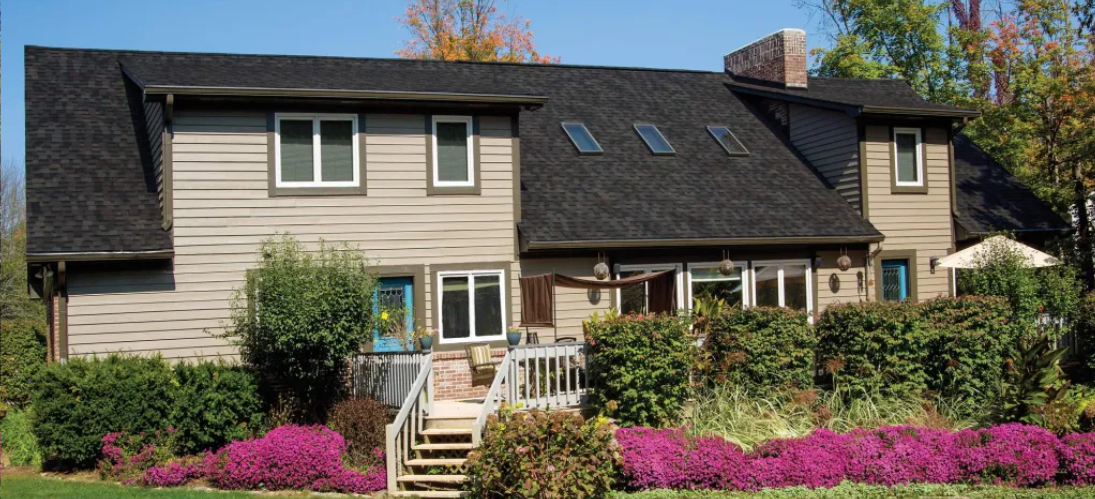
A roof valley forms wherever two sloping roof surfaces intersect and create an inward angle.
Instead of water flowing directly toward one roof edge, runoff from both adjoining roof sections is directed into the valley. The valley then channels that water toward the gutters and away from the building.
This makes the valley an essential component of the roof’s overall drainage system.
During a normal rainfall, a large amount of water may pass through a relatively narrow valley. During heavy Ottawa rainstorms or rapid spring snowmelt, the volume can increase considerably.
If the valley is properly installed and remains in good condition, this water is directed safely away. If roofing materials, flashing, underlayment, or nearby shingles become damaged, however, the valley can become a vulnerable location for water intrusion.
Why Roof Valleys Experience More Wear
Roof valleys experience concentrated water movement.
While shingles across an open roof surface primarily shed the water that lands directly on them, valley areas may receive runoff from large sections of the roof.
Over many years, this repeated exposure contributes to wear.
A valley may experience:
- Heavy rainwater flow
- Melting snow
- Ice accumulation
- Leaves and debris
- Freeze-thaw movement
- Wind-driven rain
- Granule loss
- Roofing material deterioration
For an older roof, the combined effect can gradually weaken one of the most important drainage areas on the entire roofing system.
Older Vanier Homes Can Have Complex Roofing Histories
Vanier contains many established residential properties, and older homes can have roofing histories that are not always obvious from ground level.
A roof may have undergone several repairs, partial replacements, flashing updates, or ventilation modifications over its lifetime. Previous roofing work can sometimes leave transition areas that require additional monitoring as the roof continues to age.
Valleys are particularly important because they often connect multiple roof surfaces.
If materials installed at different times meet near a valley, differences in age and condition may influence how effectively the area continues to shed water.
That does not automatically mean an older valley has a problem. It does mean that regular professional inspection becomes increasingly valuable as the roofing system ages.
Rockcliffe Roofs May Face Additional Debris Exposure
Rockcliffe is known for established properties and mature landscaping. Trees can be a beautiful feature around a home, but they can also affect roof maintenance.
Leaves, twigs, needles, seeds, and other organic material may collect inside roof valleys.
When debris accumulates, it can interfere with normal drainage.
Instead of moving quickly toward the gutter, water may slow down or collect behind debris.
Persistent moisture can contribute to deterioration of nearby roofing materials.
Organic debris can also retain moisture after rainfall, keeping portions of the roof damp longer than they otherwise would be.
Regular removal of debris is therefore an important part of maintaining roofs surrounded by mature trees.
Ottawa’s Freeze-Thaw Cycles Can Make Valley Problems Worse
Ottawa’s winter climate creates an additional challenge for roof valleys.
Temperatures can move above and below freezing repeatedly during winter and early spring.
When snow melts during warmer periods, water travels into the roof valleys. If temperatures fall again before the water drains completely, that moisture may freeze.
Water expands when it freezes.
If moisture has entered a small opening around deteriorated roofing materials, repeated freezing and thawing can gradually make the opening larger.
Over time, this process can affect shingles, flashing, sealants, and other roofing components.
A valley that performs adequately during summer may therefore reveal problems after a difficult Ottawa winter.
Snow Naturally Collects Around Roof Intersections
Roof geometry also affects winter performance.
Because valleys are recessed intersections between roof planes, snow may accumulate differently around them than it does across open sections of the roof.
As snow begins melting, significant amounts of water can move through the valley.
A properly functioning valley should manage this runoff effectively. But if the drainage path is obstructed or roofing materials are already deteriorating, melting snow may expose weaknesses that were not noticeable during drier weather.
This is one reason spring roof inspections can be particularly valuable for older Ottawa homes.
Damaged Shingles Near a Valley Can Increase Leak Risk
Shingles surrounding a roof valley need to remain securely positioned and in good condition.
As shingles age, they may become:
- Brittle
- Cracked
- Curled
- Loose
- Worn
- Damaged by wind
Protective granules may also gradually disappear.
Because valley shingles experience significant water exposure, deterioration in this area deserves attention.
A damaged shingle elsewhere on the roof may initially affect a relatively limited area. A damaged component directly beside a valley can potentially be exposed to concentrated runoff.
Flashing Plays an Important Protective Role
Depending on the roofing system and valley design, metal flashing may be used to help direct water through the valley.
Flashing is designed to create a durable drainage path beneath or between roofing materials.
Over time, flashing can become affected by:
- Corrosion
- Movement
- Loose fasteners
- Improper previous repairs
- Physical damage
- Seasonal expansion and contraction
When flashing loses its ability to direct water effectively, moisture may begin reaching the underlying roofing system.
Professional inspection can help determine whether the flashing remains serviceable or requires repair.
Previous Repairs Can Sometimes Hide Valley Problems
Older homes frequently have a history of roof repairs.
A previous owner may have addressed a leak by applying roofing cement, sealant, replacement shingles, or another temporary repair.
While some repairs perform well when completed properly, repeated patching can sometimes make the underlying condition more difficult to evaluate.
If a valley repeatedly requires repairs, it may be worth investigating why the problem continues occurring rather than simply treating the visible symptom.
The source could involve drainage, flashing, underlayment, damaged decking, installation details, or aging roofing materials.
Water Can Travel Before Becoming Visible Indoors
One of the most confusing aspects of roof leaks is that the location of an interior stain does not necessarily reveal where water entered the roof.
After penetrating the roofing system, water may travel along:
- Roof decking
- Rafters
- Trusses
- Insulation
- Framing
It may eventually appear on a ceiling several feet away from the original opening.
This is especially relevant with valley leaks because valleys often sit above complex framing intersections.
Simply repairing the roofing area directly above an interior stain may therefore fail to address the actual source.
Watch for Ceiling Stains After Heavy Rain
Interior staining is one of the clearest signs that a roofing system needs professional attention.
Homeowners should watch for:
- Brown ceiling marks
- Discoloured drywall
- Bubbling paint
- Damp attic insulation
- Moisture around ceiling corners
- Musty attic odours
If these symptoms appear primarily after heavy rainfall or rapid snowmelt, a drainage-related roofing problem may be involved.
The valley should be among the areas evaluated during the inspection.
Granule Accumulation Can Indicate Aging Shingles
Asphalt shingles contain protective surface granules that help shield them from sunlight and weather exposure.
Some granule loss occurs naturally over time. Excessive loss, however, can indicate aging or damaged roofing materials.
Homeowners may notice granules:
- Inside gutters
- Near downspout outlets
- Along roof edges
- In areas where water exits valleys
Because valleys channel large amounts of runoff, granules from surrounding roof sections can accumulate downstream.
Significant or unusual granule loss deserves professional evaluation, particularly on an older roof.
Debris Should Not Be Allowed to Remain in Valleys
A roof valley needs an unobstructed drainage path.
Leaves and other debris can interfere with water movement and create areas where moisture remains trapped.
Homeowners should avoid climbing onto roofs to clear valleys themselves, particularly on steep, wet, icy, or older roofing surfaces.
Walking on aging shingles can also damage materials that have become brittle.
Professional roof maintenance provides a safer way to inspect and clear vulnerable areas.
Gutters and Roof Valleys Work Together
A valley cannot function properly if water reaches the bottom of the roof but has nowhere to go.
This makes gutters and downspouts an important part of valley performance.
When gutters are clogged, water may back up near roof edges during heavy rainfall.
During winter, poor drainage can also contribute to ice accumulation.
Keeping the entire drainage system functioning properly helps water move from the roof surface to the valley, into the gutter, through the downspout, and away from the home.
Ice Dams Can Affect Valley Areas
Ice dams are another concern for Ottawa homeowners.
They form when snow melts on warmer portions of the roof and refreezes near colder areas.
Although ice dams are commonly associated with roof edges, complex roof intersections and valleys can also experience ice accumulation.
When ice restricts normal drainage, water may remain on roofing surfaces longer than intended.
If nearby shingles or flashing already contain weaknesses, the risk of water intrusion increases.
Proper attic insulation and ventilation, combined with appropriate roof maintenance, can help reduce conditions that contribute to ice dam formation.
Attic Ventilation Should Be Considered
Not every roof valley problem begins on the exterior.
Attic conditions influence roof performance throughout the year.
Poor ventilation may allow excessive heat and moisture to accumulate beneath the roof deck.
During winter, warm attic conditions can contribute to uneven snow melting. During summer, excessive heat can accelerate the aging of asphalt shingles.
A professional roofing assessment should therefore consider the roofing system as a whole rather than focusing exclusively on the visible valley.
When Does a Valley Need Repair?
Not every aging roof valley requires complete reconstruction.
In some cases, localized repairs may be appropriate.
A professional roofer may recommend repairs when problems involve:
- A limited number of damaged shingles
- Localized flashing concerns
- Minor sealant deterioration
- Small areas of storm damage
The correct solution depends on the roof’s age, overall condition, and the extent of deterioration.
When Could Replacement Make More Sense?
Repeatedly repairing an extensively deteriorated valley may not always provide the best long-term value.
If the surrounding roof is also approaching the end of its service life, a larger replacement project may be more practical.
Factors that influence this decision include:
- Roof age
- Frequency of previous repairs
- Condition of surrounding shingles
- Roof deck condition
- Extent of water damage
- Overall roofing performance
A professional assessment helps homeowners compare immediate repair needs with longer-term replacement considerations.
Why Preventative Inspections Can Save Money
The best time to identify a valley problem is before water enters the home.
Regular inspections can reveal early concerns such as loose materials, debris accumulation, flashing movement, or shingle deterioration.
Correcting a localized issue may help prevent damage to:
- Roof decking
- Insulation
- Attic framing
- Ceilings
- Walls
- Interior finishes
Preventative maintenance is therefore not simply about keeping the exterior looking good. It is about protecting the building beneath it.
When Should Vanier and Rockcliffe Homeowners Schedule an Inspection?
There is no single inspection schedule appropriate for every roof.
However, inspections can be particularly useful:
- After winter
- Before winter
- Following major windstorms
- After hail or severe rain
- When buying an older home
- When a roof approaches the later part of its expected lifespan
- When unexplained interior moisture appears
Homes surrounded by mature trees may also benefit from more frequent checks for debris and drainage concerns.
A Roof Valley Should Never Be Treated as an Isolated Component
A valley is part of a larger roofing system.
Its performance depends on surrounding shingles, underlayment, flashing, roof decking, drainage, gutters, attic ventilation, and installation quality.
This is why simply applying sealant to a suspicious area is not always an effective long-term solution.
The underlying cause needs to be identified.
Professional roof inspections allow the entire area to be evaluated before an appropriate repair strategy is recommended.
Protecting Older Homes in Vanier and Rockcliffe
Older homes often possess architectural character that homeowners want to preserve. Protecting the roofing system is an important part of protecting that investment.
Regular roof maintenance can help homeowners understand how their roof is aging and identify vulnerable areas before they become emergencies.
For properties in Vanier and Rockcliffe, valleys deserve particular attention because Ottawa’s seasonal weather, mature landscaping, aging materials, and complex roof designs can combine to place significant stress on these drainage channels.
A proactive approach can make the difference between a manageable roofing repair and extensive interior restoration.
Final Thoughts
Roof valleys may occupy only a relatively small portion of the roof, but they perform one of its most demanding jobs. Every time it rains or snow begins melting, valleys collect runoff from multiple roof surfaces and direct it toward the drainage system.
For older homes in Vanier, Rockcliffe, and throughout Ottawa, years of water movement, winter ice, freeze-thaw cycles, debris accumulation, and natural material aging can gradually make valleys more vulnerable to leaks.
Homeowners do not need to wait until water appears on a ceiling to take action. Regular professional inspections, proper drainage, timely repairs, and preventative roof maintenance can help identify valley problems while they are still manageable.
By paying attention to these critical areas, homeowners can protect their roofing system, reduce the likelihood of costly water damage, and help their roof continue performing reliably through Ottawa’s changing seasons.
Frequently Asked Questions About Roof Valleys
Why do roof valleys leak more often than other areas?
Roof valleys collect runoff from two adjoining roof slopes, meaning they handle a concentrated volume of rainwater and melting snow. This increased exposure can make damaged shingles, flashing, or underlayment more vulnerable to water intrusion.
Can leaves in a roof valley cause leaks?
Debris can interfere with drainage and retain moisture against roofing materials. Over time, persistent debris buildup may contribute to deterioration and increase the likelihood of roofing problems.
How can I tell if my roof valley is damaged?
Visible warning signs may include cracked or missing shingles near the valley, deteriorated flashing, accumulated debris, unusual granule loss, or interior water stains. Some damage cannot be identified safely from ground level, making professional inspection valuable.
Should I repair or replace a leaking roof valley?
That depends on the condition of the valley and the rest of the roof. Localized damage may be repairable, while extensive deterioration on an aging roofing system may make broader replacement more practical.
Can Ottawa’s freeze-thaw cycles damage roof valleys?
Yes. Moisture can enter small openings and expand when it freezes. Repeated freezing and thawing may gradually worsen existing weaknesses in roofing materials, flashing, and sealants.
Should I inspect my roof valleys after winter?
Spring is an excellent time to evaluate the roof for damage caused by snow, ice, wind, and freeze-thaw cycles. An inspection can identify concerns before spring and summer rainfall makes them worse.
Are roof valleys more important on complex roofs?
Complex roof designs may contain multiple valleys and intersections, increasing the number of areas that must manage concentrated water flow. These roofs can benefit significantly from regular professional inspections.