
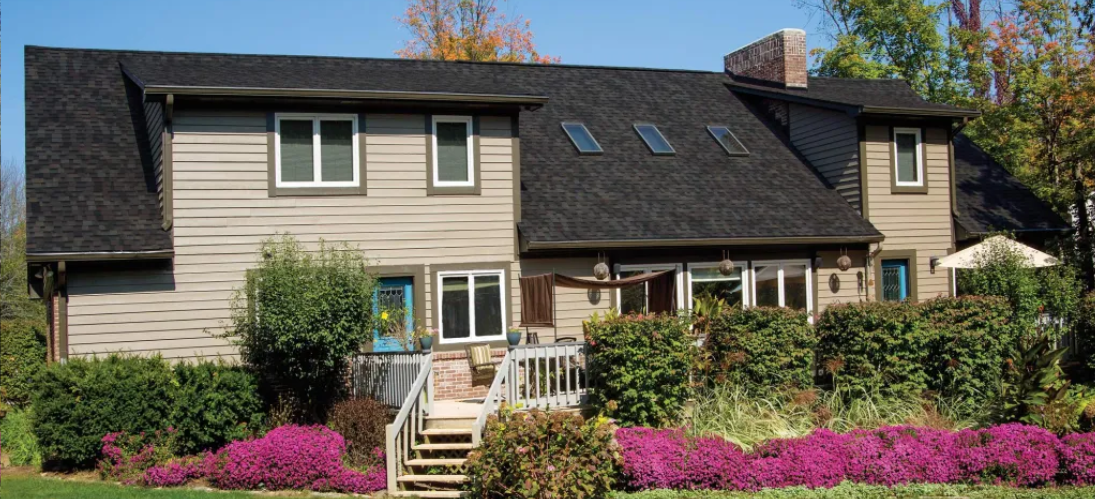
Trees add shade, privacy, and character to Ottawa neighbourhoods. But when branches hang over a roof, leaves and twigs collect in valleys or gutters, or a storm brings down limbs, the nearby trees can affect how well a roof drains and how often it needs attention.
That does not mean trees are automatically a roofing problem. The effect depends on the tree’s distance, size, condition, and seasonal growth, as well as the roof’s slope, design, and drainage. A practical maintenance plan can help homeowners spot concerns early while protecting both the roof and the trees around it.
How Trees Can Affect a Roof
Branches may rub against roofing materials
Branches that touch or move across shingles can cause repeated abrasion. Over time, this contact may wear the surface or dislodge granules. Branches can also scrape flashing, roof edges, or other components in windy conditions.
Look for branches that reach or rest on the roof, especially if they sway during storms. If trimming is needed, have the work done safely by a qualified tree professional. Avoid climbing onto the roof or cutting large branches yourself.
Falling limbs can cause sudden damage
Storms, heavy snow, ice, and strong winds can break branches. A falling limb may crack shingles, damage flashing, puncture a roof, or affect gutters and downspouts. Larger limbs can cause more extensive damage to the roof structure.
After severe weather, check for obvious damage from the ground. If you see a fallen branch, missing shingles, or a new leak, contact a roofing professional for an assessment. Do not walk on a damaged or slippery roof.
Leaves and twigs can collect in roof valleys
Roof valleys channel water from adjoining slopes. Leaves, seed pods, and small branches may gather there, especially where trees overhang the roof. If debris obstructs the drainage path, water may flow more slowly or collect around the area.
Debris in a valley can be difficult to assess from the ground. A qualified professional can check whether it is affecting drainage or concealing damaged roofing materials.
Gutters and downspouts may become clogged
Leaves can accumulate in gutters and downspouts, slowing or blocking water movement. If rainwater or snowmelt cannot drain properly, it may overflow near the home or contribute to moisture concerns around the roof edge and foundation.
Gutter conditions are especially relevant in autumn, when deciduous trees shed leaves. Check for overflow or visible buildup from a safe location, and arrange cleaning when needed.
Shade and moisture can change roof conditions
Shaded roof areas may dry more slowly after rain or snow. Depending on the roof, surrounding conditions, and maintenance history, prolonged dampness or accumulated organic debris may contribute to surface staining or deterioration.
Shade alone does not mean a roof is damaged. If you notice persistent staining, moss-like growth, or materials that appear worn, ask a roofing professional to assess the roof before choosing a cleaning or repair method.
Tree-Related Roof Issues to Watch For
Homeowners can monitor the following signs from the ground or from inside the home:
- Branches touching or hanging directly over the roof
- Leaves or twigs collecting in valleys or gutters
- Water spilling over gutter edges during rain
- Visible damage after a storm
- Missing, lifted, or broken shingles
- New ceiling stains or damp areas near exterior walls
- Debris accumulating repeatedly in the same roof area
- A downspout that appears to drain slowly or overflow
These clues do not necessarily indicate roof damage. They can help you decide when to arrange a closer inspection.
Seasonal Roof and Tree Maintenance in Ottawa
A seasonal routine can help homeowners keep track of changing conditions.
Spring
After winter, look for visible signs of storm damage, fallen branches, displaced shingles, or drainage issues. Spring is also a useful time to arrange an inspection if you noticed leaks or ice-related concerns during the winter.
Summer
Check whether growing branches are moving close to the roof. If tree work is needed, plan it before branches become heavier or more difficult to manage. Avoid using high-pressure washing or chemicals on roofing materials unless a qualified professional recommends a suitable method.
Autumn
Falling leaves can fill gutters and roof valleys. Arrange gutter maintenance as needed, especially if trees overhang the house. Make sure downspouts are directing water away from the building.
Winter
Observe the roof from the ground after storms. Watch for fallen limbs, uneven snow conditions, or new interior moisture. Do not climb onto an icy roof to clear branches or snow.
How to Reduce Tree-Related Roof Risks
Keep branches clear of the roof
Regular pruning can reduce rubbing and limit the amount of debris that falls directly onto the roof. The appropriate amount of trimming depends on the tree and its health. For large limbs or work near utility lines, contact a qualified tree-care professional.
Maintain gutters and downspouts
Keep drainage paths clear so rainwater and melting snow can move away from the roof. The right maintenance frequency depends on the number and types of trees near the house. A property surrounded by mature trees may need more frequent checks than a home with little nearby vegetation.
Arrange roof inspections when conditions change
A roof inspection can be useful after a significant storm, after a large branch falls, or when new leaks or visible damage appear. Regular assessments can also help identify wear that may not be obvious from the ground.
A roofing professional can review shingles, flashing, valleys, roof edges, and drainage areas. If tree damage is suspected, let the contractor know where branches made contact and whether the roof has leaked.
Avoid unsafe or damaging DIY work
Walking on a roof, cutting large limbs, or scraping debris from a steep surface can lead to injury or property damage. Use qualified professionals for work that requires climbing or specialized equipment. Do not use tools or cleaning products that might damage shingles, flashing, or gutters.
What to Include in a Roof Inspection
If trees are close to your home, ask the roofing contractor to check:
- Roof sections beneath overhanging branches
- Shingles for abrasion, cracks, or impact damage
- Valleys for debris or drainage obstruction
- Gutters and downspouts for visible blockage or damage
- Flashing and roof edges near affected areas
- Signs of water entry inside the attic or home, if accessible
- Any maintenance or repair recommendations
Ask the contractor to distinguish between tree maintenance, gutter cleaning, and roofing work. These services may involve different trades, and a clear scope helps you understand which action addresses each concern.
When to Call a Roofing Professional
Contact a roofing professional if a branch falls on the roof, shingles are visibly damaged, water enters the home, or a leak appears after a storm. A professional assessment can help determine whether the roof needs a repair or whether the moisture may have another source.
If debris is a recurring problem but you do not see damage, a routine inspection can help evaluate the roof and drainage paths. The contractor can explain whether the condition requires attention and what maintenance may be appropriate.
Protecting Roofs Around Tree-Lined Ottawa Neighbourhoods
Mature trees are part of the character of many Ottawa communities, including Vanier, Rockcliffe, St. Laurent, Orléans, Gloucester, and South Keys. Their shade and beauty can be valuable, while branches and seasonal debris may create additional maintenance needs for some properties.
Den’s Roofing provides roof inspections, repairs, maintenance, and residential roofing services in Ottawa and nearby communities. If trees near your home have caused visible roof damage, repeated drainage problems, or a leak, arrange an assessment and ask for a clear explanation of the recommended work.
A little seasonal attention can help you spot tree-related concerns before they become larger roofing issues. Keep branches managed safely, maintain drainage paths, and have the roof assessed when damage or leaks appear.