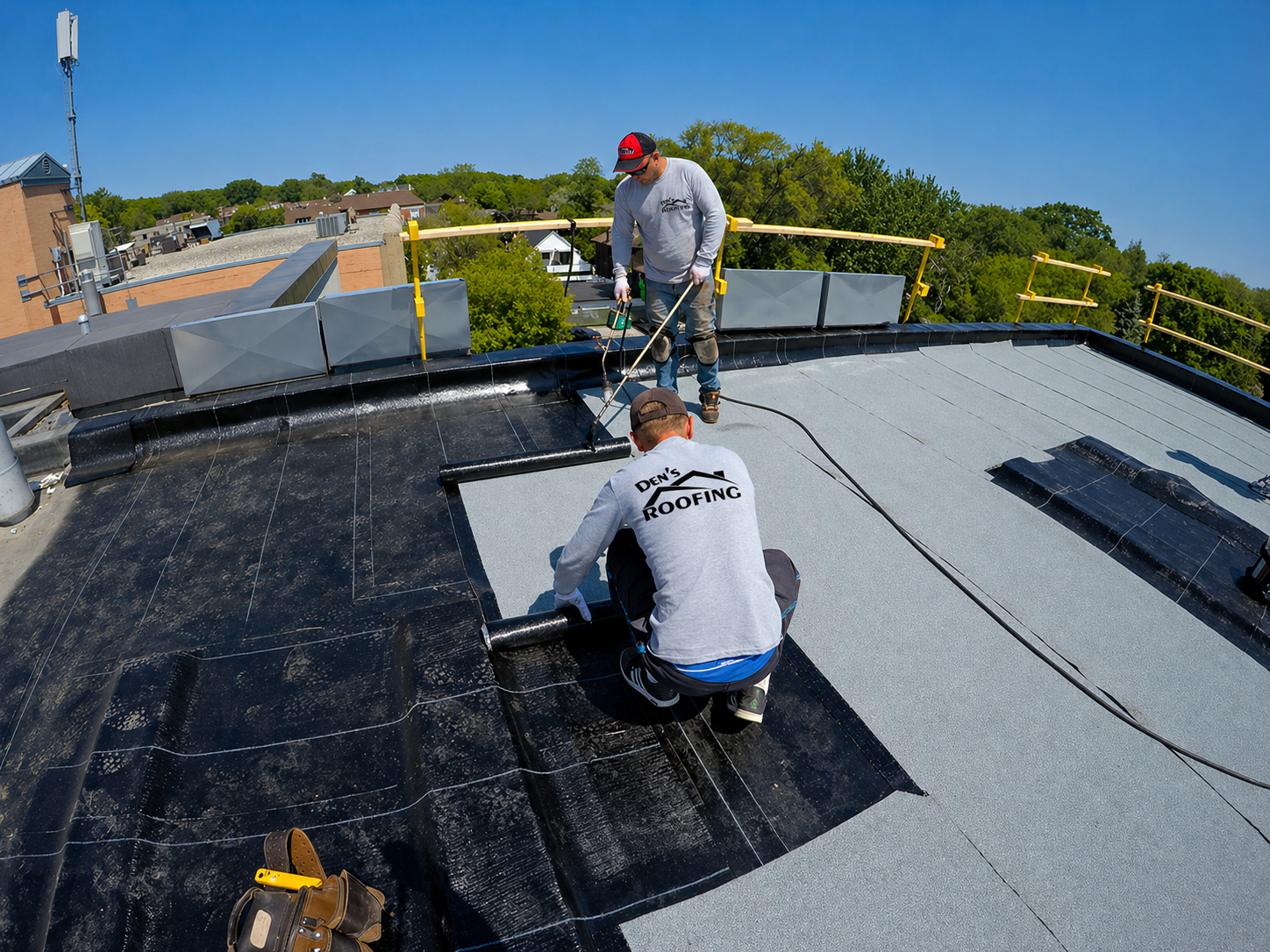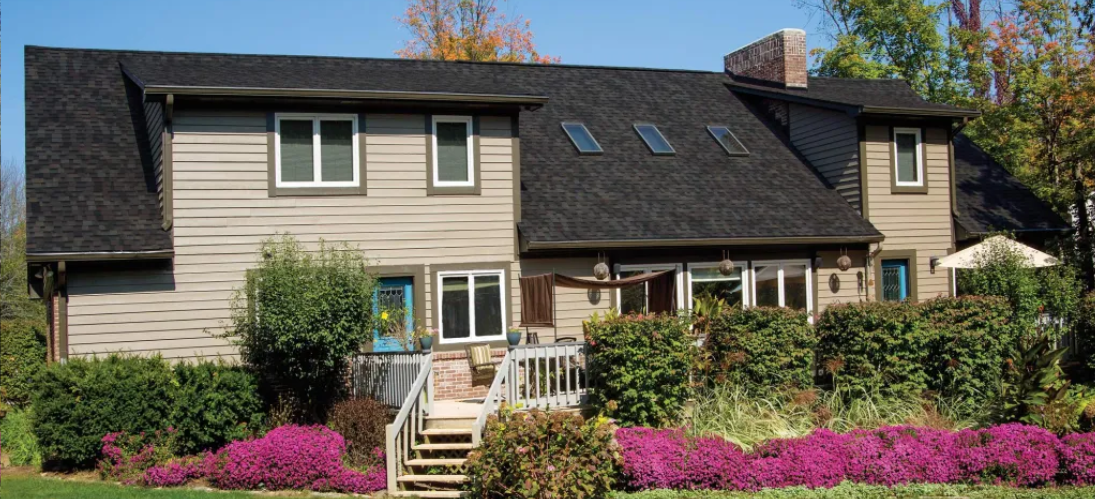


A commercial roof protects more than the building itself. It helps safeguard inventory, equipment, employees, tenants, customers, and daily operations. When a roof begins to leak or show wear, property owners and managers need to decide whether a targeted repair will solve the problem or whether a larger replacement project is the more practical choice.
That decision is rarely based on one factor alone. The roof’s age and condition matter, but so do the extent of the damage, the frequency of past repairs, the risk of disruption, and the expected cost of maintaining the existing system. Ottawa’s seasonal weather also places ongoing demands on commercial roofs through snow, rain, ice, wind, temperature changes, and summer heat.
This guide explains signs that may point toward repair or replacement, what affects commercial roofing costs, and how Ottawa property owners can plan a project while protecting building operations.
Begin With a Professional Roof Assessment
A ceiling stain or visible leak may indicate a roofing issue, but it does not reveal the full condition of the roof. Water can travel along structural components before appearing indoors, and the visible damage may not be directly below the entry point.
A commercial roof assessment should consider the roofing surface and its details, including drainage areas, flashing, seams, edges, penetrations, and visible wear. The building’s history also matters. Previous repairs, recurring leaks, ponding water, and maintenance records can help explain whether a problem is isolated or part of a wider pattern.
Before deciding between repair and replacement, ask the roofing contractor to explain:
- What areas were inspected
- What problems were found
- Whether the issue appears isolated or widespread
- What repair options are available
- Whether there are signs of underlying damage
- What risks remain if work is postponed
- Whether replacement is recommended and why
Request a written summary and photos when practical. This gives property owners, facility managers, and stakeholders a clearer basis for comparing options.
Signs a Commercial Roof May Need Repair
A repair may be appropriate when damage is limited, the surrounding roofing system remains serviceable, and the cause can be identified and corrected. The decision depends on the roof type, condition, and extent of the problem.
An isolated leak
A leak in one area may be repairable if the source is clear and the surrounding materials are in good condition. The contractor should inspect nearby seams, flashing, penetrations, and drainage paths to determine whether the leak is truly limited.
A patch applied only where water appears inside may not address the actual entry point. Ask how the contractor located the source and what work will help prevent the leak from returning.
Localized damage after weather
Wind, falling branches, or other weather events can damage a specific part of a roof. If the affected area is limited and the rest of the system remains intact, a targeted repair may restore protection.
After a storm, document visible damage from a safe location and arrange a professional inspection. Avoid walking on the roof or trying to move materials yourself.
Deteriorated flashing or sealant in one area
Flashing and sealants help protect roof transitions and penetrations. If deterioration is confined to one location, repairs may be possible. The estimate should clearly state which components will be replaced, repaired, or left in place.
A roof with a recent maintenance history
A roof that has been inspected and maintained regularly may be a good candidate for repair if the issue is minor and the broader system is in sound condition. Maintenance records can help a contractor understand what has already been addressed.
Signs Replacement May Be the Better Long-Term Option
Replacement may be more practical when problems are widespread, recurring, or linked to aging materials across a large portion of the roof. It may also be worth considering when repairs are becoming frequent and unpredictable.
Repeated leaks in multiple areas
Recurring leaks can point to broader deterioration, especially if they occur in different parts of the building or return after previous repairs. A contractor should assess whether the roof’s seams, surface, flashing, drainage, or other components have reached a condition where isolated repairs no longer provide dependable protection.
Widespread material deterioration
Cracking, blistering, lifting, open seams, damaged edges, or extensive wear may indicate that the roofing system is deteriorating beyond one repair area. The specific signs vary by roof type, so they should be evaluated by a qualified professional.
Persistent drainage problems
Standing water or recurring drainage issues may place ongoing stress on a roof. The cause could involve blocked drains, roof slope, structural conditions, or the roofing system itself. If drainage concerns affect large areas or return repeatedly, the assessment should explain whether repairs can resolve the cause or whether broader work is needed.
Repairs are becoming frequent or expensive
One repair does not necessarily mean replacement is needed. But when repair costs accumulate, problems recur, and uncertainty remains about the roof’s condition, property owners should compare the cost and risks of continued repairs with a replacement plan.
A useful comparison looks beyond the next invoice. Consider the total cost of anticipated repairs, the possibility of interior damage, the operational impact of future leaks, and the expected service life of a replacement system.
The roof’s condition threatens operations
A leak above inventory, electrical equipment, tenant space, or customer areas can affect business continuity. If the roof presents an ongoing risk to operations, a planned replacement may provide more control than waiting for another failure.
Repair or Replace: Questions to Guide the Decision
No single rule applies to every commercial building. Use these questions to organize the assessment:
- Is the damage limited to one identifiable area?
- Are leaks recurring after previous repairs?
- Are roofing materials in acceptable condition across the rest of the roof?
- Are drainage, seams, flashing, and penetrations functioning as intended?
- How much has the building spent on repairs recently?
- Could another failure damage inventory, equipment, or occupied areas?
- Can the work be completed in phases, or is a full replacement needed?
- What is the expected cost and scope of each option?
- How will each option affect occupants and daily operations?
- What maintenance would be needed after the repair or replacement?
The contractor should explain the trade-offs in clear terms. If replacement is recommended, ask which findings support that recommendation. If repair is proposed, ask what parts of the roof remain at risk and how the repair will be monitored.
What Affects Commercial Roof Replacement Costs?
Commercial roofing prices depend on the building and the scope of work. A preliminary estimate may change after a detailed assessment, particularly if hidden conditions are found.
Common cost factors include:
Roof size and layout
Larger roofs generally require more materials and labour. Complex layouts with multiple levels, penetrations, edges, or access challenges may also require additional planning and detail work.
Existing roof condition
The condition of the existing roofing materials and substrate affects preparation. If damaged or wet sections are found during removal, additional work may be needed. Ask how concealed conditions will be documented, priced, and approved.
Removal and disposal
The estimate should state whether existing roofing materials will be removed and disposed of. If there are multiple layers or special disposal requirements, clarify whether those costs are included.
Material and system selection
Different roofing systems and product specifications have different material and installation requirements. Ask the contractor to describe the proposed system and any alternatives, including the practical differences in maintenance and project scope.
Flashing, penetrations, and edge details
Commercial roofs often include vents, drains, equipment supports, skylights, parapets, and other details. The estimate should identify what work is included around these areas.
Drainage and insulation work
If the assessment identifies drainage or insulation concerns, the project may need additional work. Ask whether these items are included in the base proposal, priced separately, or outside the roofing contractor’s scope.
Access, safety, and scheduling
The building’s location, roof access, tenant activity, equipment, and required safety measures can affect labour and scheduling. An occupied commercial property may need careful coordination to limit disruption.
How to Plan a Commercial Roofing Project in Ottawa
A well-planned project helps property owners manage access, communicate with occupants, and reduce surprises.
Establish the project priorities
Identify what matters most: stopping active leaks, protecting equipment, maintaining tenant access, completing the work within a particular season, or coordinating with other building projects. These priorities help the contractor prepare an appropriate schedule and scope.
Request itemized estimates
Ask for proposals that describe the same work so you can compare them fairly. Each estimate should identify materials, labour, removal, disposal, flashing and detail work, drainage items, exclusions, warranties, and potential extra costs.
If one estimate is substantially lower or higher, ask what explains the difference. The scope may not be equivalent.
Plan around occupants and operations
Inform tenants, employees, and relevant vendors about the project schedule and access requirements. Clarify whether parking areas, loading zones, entrances, or outdoor spaces may be affected.
For retail, office, warehouse, or industrial properties, ask how the contractor will coordinate noisy work, deliveries, and restricted areas. Confirm who will provide updates if the schedule changes.
Confirm safety and site protection
Ask how workers, occupants, visitors, and property will be protected. The project plan should address roof access, equipment placement, debris handling, and any areas that need to remain clear.
Let the contractor know about rooftop equipment, restricted access points, or building-specific procedures before work begins.
Set a process for unexpected conditions
Some conditions become visible only after roofing materials are removed. Agree in advance on how the contractor will document the issue, explain the recommended work, provide pricing, and obtain authorization.
A written change-order process helps prevent misunderstandings about extra work and costs.
Keep project records
Save estimates, contracts, change orders, photos, invoices, product information, warranty documents, and maintenance reports. These records help with future inspections and budgeting.
What to Look for in a Commercial Roofing Estimate
A clear proposal should make it possible to understand exactly what the contractor plans to do. Review whether it includes:
- The areas of the roof covered by the proposal
- The specified materials and installation scope
- Removal and disposal details
- Flashing, seams, edges, drains, and penetration work
- Any insulation or drainage work
- Access and site protection arrangements
- Project timing and communication plan
- Exclusions and allowances
- The process for additional work
- Payment schedule and warranty information
Ask the contractor to explain unfamiliar terms. It is better to clarify details before work begins than to discover later that an item was excluded.
Repair and Replacement Both Need Maintenance
Whether you repair or replace a commercial roof, ongoing maintenance can help property owners understand its condition and identify developing concerns. Inspections should account for the roof’s design, age, exposure, and history. After major weather events, an additional assessment may be useful if the roof could have been affected.
Maintenance records can include inspection dates, photos, repairs, drainage observations, and warranty documentation. A consistent record helps property owners plan budgets and make future decisions based on the roof’s actual history.
Protect the Building With a Clear Plan
The choice between repairing and replacing a commercial roof depends on the roof’s condition, repair history, operational needs, and cost of the available options. A repair may make sense for isolated damage on a serviceable roof. Replacement may be more practical when deterioration is widespread, leaks recur, or continued repairs create uncertainty and disruption.
For Ottawa businesses and property owners in St. Laurent, Vanier, Rockcliffe, Orléans, Gloucester, South Keys, and nearby communities, Den’s Roofing provides commercial roofing, repairs, and maintenance. Request a detailed assessment and written estimate that explains the findings, recommended work, costs, and project plan. That gives you a sound basis for deciding how to protect the property and the operations inside it.