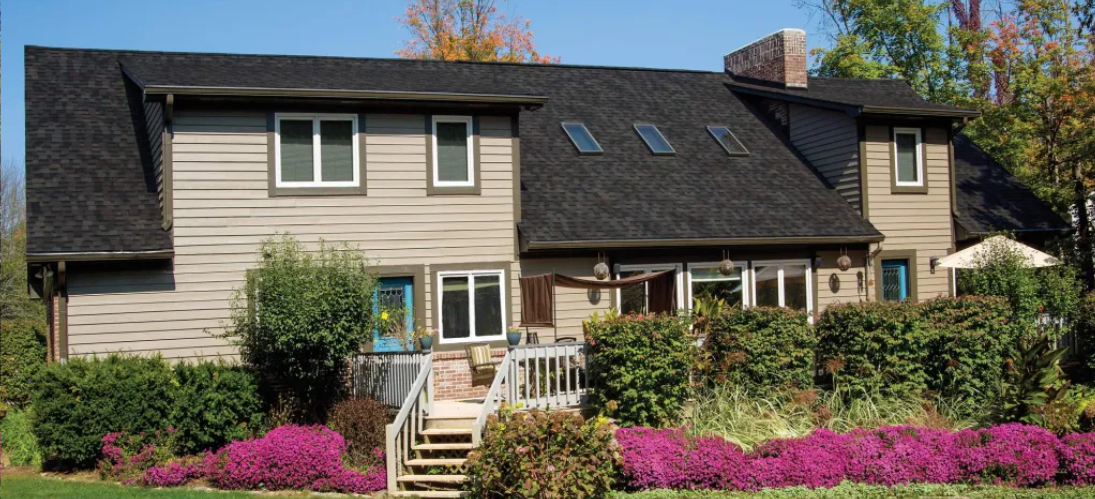


An asphalt shingle roof is one of the most popular roofing systems for homes throughout Ottawa, and for good reason. It offers an excellent balance of durability, affordability, curb appeal, and weather resistance, making it well suited to the region’s changing climate. However, even the highest-quality asphalt shingles require proper care and regular maintenance to perform at their best.
Many homeowners assume that once a roof is installed, there is little they need to do until it eventually requires replacement. In reality, the lifespan of an asphalt shingle roof depends on a combination of factors, including installation quality, ventilation, maintenance, weather exposure, drainage, and timely repairs. With the right approach, homeowners can often maximize the performance of their roofing system while reducing the likelihood of unexpected problems.
Whether you live in St Laurent, Vanier, Rockcliffe, Orleans, Gloucester, South Keys, or elsewhere in Ottawa, understanding how to care for an asphalt shingle roof can help protect your home and your investment for many years.
Why Asphalt Shingle Roofs Remain So Popular
Asphalt shingles continue to be the preferred roofing material for many Ottawa homeowners because they combine reliable performance with attractive appearance.
Some of the key advantages include:
- Excellent weather resistance
- Wide range of colours and styles
- Cost-effective installation
- Strong wind performance
- Easy repair when needed
- Suitable for most residential roof designs
Modern asphalt shingles are engineered to withstand challenging weather conditions, but like any roofing material, they perform best when properly maintained.
Understanding the Expected Lifespan
The lifespan of an asphalt shingle roof varies depending on several factors.
These include:
- Quality of roofing materials
- Professional installation
- Roof ventilation
- Weather exposure
- Roof slope
- Tree coverage
- Maintenance history
- Frequency of inspections
Many asphalt shingle roofs can provide reliable protection for 20 to 30 years or longer when cared for properly. However, neglecting maintenance can shorten that lifespan significantly.
Regular Roof Inspections Make a Difference
One of the simplest ways to extend the life of a roof is through regular inspections.
Professional inspections help identify small concerns before they become expensive repairs.
During an inspection, roofing professionals evaluate:
- Shingle condition
- Flashing integrity
- Roof penetrations
- Ventilation
- Drainage systems
- Roof valleys
- Roof edges
- Sealants
- Signs of weather damage
Early detection allows minor repairs to be completed before larger sections of the roof become affected.
Keep Gutters and Downspouts Clean
Your gutters are an essential part of the roofing system.
When gutters become clogged with leaves, twigs, and debris, water cannot drain properly from the roof.
Poor drainage may lead to:
- Water pooling
- Ice dam formation
- Fascia damage
- Moisture intrusion
- Premature shingle deterioration
Cleaning gutters regularly allows rainwater and melting snow to flow away from the roof efficiently.
Trim Overhanging Trees
Trees provide shade and enhance curb appeal, but branches that hang over the roof may create several problems.
Overhanging limbs can:
- Scratch shingles
- Drop debris
- Trap moisture
- Encourage moss growth
- Increase storm damage during high winds
Keeping branches properly trimmed helps reduce unnecessary wear while allowing sunlight and airflow to reach the roof.
Address Small Repairs Quickly
Minor roofing problems rarely remain minor.
Replacing a few damaged shingles or repairing loose flashing early may prevent:
- Roof leaks
- Interior water damage
- Mold growth
- Structural deterioration
- Larger repair projects
Prompt repairs protect surrounding roofing materials and help extend the life of the entire roof.
Why Proper Roof Ventilation Is Essential
Ventilation is one of the most overlooked aspects of roof performance.
Without balanced attic airflow, excessive heat and moisture become trapped beneath the roof.
Poor ventilation may cause:
- Premature shingle aging
- Condensation
- Mold growth
- Reduced insulation performance
- Ice dam formation
- Increased energy costs
Proper ventilation allows the roofing system to perform more efficiently throughout every season.
Protect Your Roof During Ottawa Winters
Winter places tremendous stress on roofing systems.
Snow accumulation, ice buildup, freezing rain, and repeated freeze-thaw cycles all affect roofing materials.
Homeowners can help protect their roofs by:
- Scheduling fall inspections
- Keeping drainage systems clear
- Addressing damaged shingles before winter
- Monitoring heavy snow accumulation
- Watching for ice dams
Preparing the roof before winter reduces the likelihood of emergency repairs during the coldest months.
Watch for Early Warning Signs
Recognizing roofing problems early often prevents more serious damage.
Common warning signs include:
- Missing shingles
- Curling shingles
- Cracked shingles
- Loose flashing
- Water stains on ceilings
- Granules in gutters
- Moss growth
- Sagging roof sections
- Interior moisture
If any of these signs appear, professional evaluation is recommended.
Avoid Walking on the Roof
Many homeowners attempt to inspect or clean their roofs themselves.
Walking directly on asphalt shingles may:
- Loosen roofing materials
- Crack aging shingles
- Damage protective granules
- Increase the risk of falls
Whenever possible, roof inspections should be performed by experienced roofing professionals using appropriate safety equipment.
Moss and Algae Should Not Be Ignored
Moss and algae often develop in shaded or damp areas.
Although they may seem cosmetic, moss holds moisture against the shingles, which can accelerate deterioration.
Professional cleaning methods help remove organic growth without damaging roofing materials.
Quality Installation Matters
Even premium roofing materials cannot perform properly if they are installed incorrectly.
Professional installation ensures:
- Proper underlayment placement
- Correct flashing installation
- Secure fastening
- Balanced ventilation
- Reliable drainage
- Manufacturer specifications are followed
The quality of installation often has as much impact on roof lifespan as the shingles themselves.
Seasonal Maintenance Protects Long-Term Performance
Rather than waiting for visible problems, homeowners benefit from regular seasonal maintenance.
A typical maintenance schedule may include:
Spring
- Inspect for winter damage
- Check flashing
- Review drainage
- Replace damaged shingles
Summer
- Monitor ventilation
- Remove debris
- Check sealants
- Watch for UV-related wear
Autumn
- Clean gutters
- Trim branches
- Inspect before snow season
- Repair loose materials
Winter
- Monitor snow accumulation
- Watch for ice dams
- Check ceilings for leaks
- Schedule inspections after major storms
Seasonal care allows homeowners to address roofing concerns before they become expensive repairs.
How Ottawa’s Climate Affects Asphalt Shingles
Ottawa experiences one of Canada’s most varied climates.
Roofs regularly face:
- Heavy snow
- Ice storms
- Strong winds
- Intense summer sun
- Heavy rainfall
- Freeze-thaw cycles
These weather conditions gradually wear roofing materials, making regular maintenance especially important for local homeowners.
Residential Roof Maintenance Is an Investment
Maintaining an asphalt shingle roof is not simply about avoiding repairs.
A well-maintained roof also helps:
- Protect home value
- Improve curb appeal
- Increase buyer confidence
- Enhance energy efficiency
- Reduce unexpected expenses
- Extend roof lifespan
Routine maintenance often delivers far greater value than emergency repairs.
Building a Long-Term Roofing Plan
Rather than reacting to roofing problems as they occur, many homeowners now follow long-term maintenance plans.
These plans include:
- Annual inspections
- Seasonal maintenance
- Prompt repairs
- Ventilation evaluations
- Gutter cleaning
- Roof condition monitoring
A consistent approach provides greater confidence while helping homeowners budget for future roofing needs.
Final Thoughts
An asphalt shingle roof is a significant investment that protects your home every day of the year. While no roof lasts forever, proper maintenance, regular inspections, quality ventilation, and timely repairs can significantly extend its service life while reducing long-term ownership costs.
For homeowners throughout Ottawa, including St Laurent, Vanier, Rockcliffe, Orleans, Gloucester, and South Keys, taking a proactive approach to roof care helps ensure the roofing system continues performing through every season. By addressing small issues early and maintaining the roof consistently, homeowners can enjoy greater peace of mind while protecting one of the most valuable parts of their property.
Frequently Asked Questions
How long does an asphalt shingle roof usually last?
Many asphalt shingle roofs last between 20 and 30 years or longer, depending on installation quality, ventilation, maintenance, weather exposure, and the quality of the roofing materials.
How often should my roof be inspected?
Most roofing professionals recommend a full inspection at least once a year, along with additional inspections after severe storms or unusual weather events.
Can replacing a few shingles extend the life of my roof?
Yes. Promptly replacing damaged shingles helps prevent water infiltration and reduces the risk of larger roofing problems developing over time.
Does attic ventilation really affect roof lifespan?
Absolutely. Proper ventilation reduces excess heat and moisture, helping prevent premature shingle deterioration, condensation, and ice dam formation.
What is the biggest mistake homeowners make with asphalt shingle roofs?
One of the most common mistakes is ignoring small warning signs such as loose shingles, damaged flashing, clogged gutters, or minor leaks until they become much larger and more expensive problems.