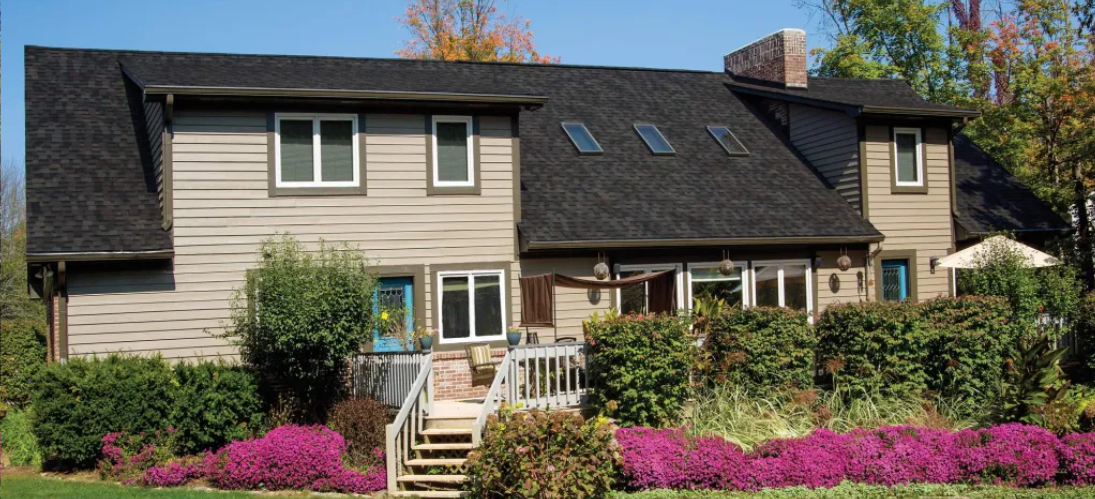

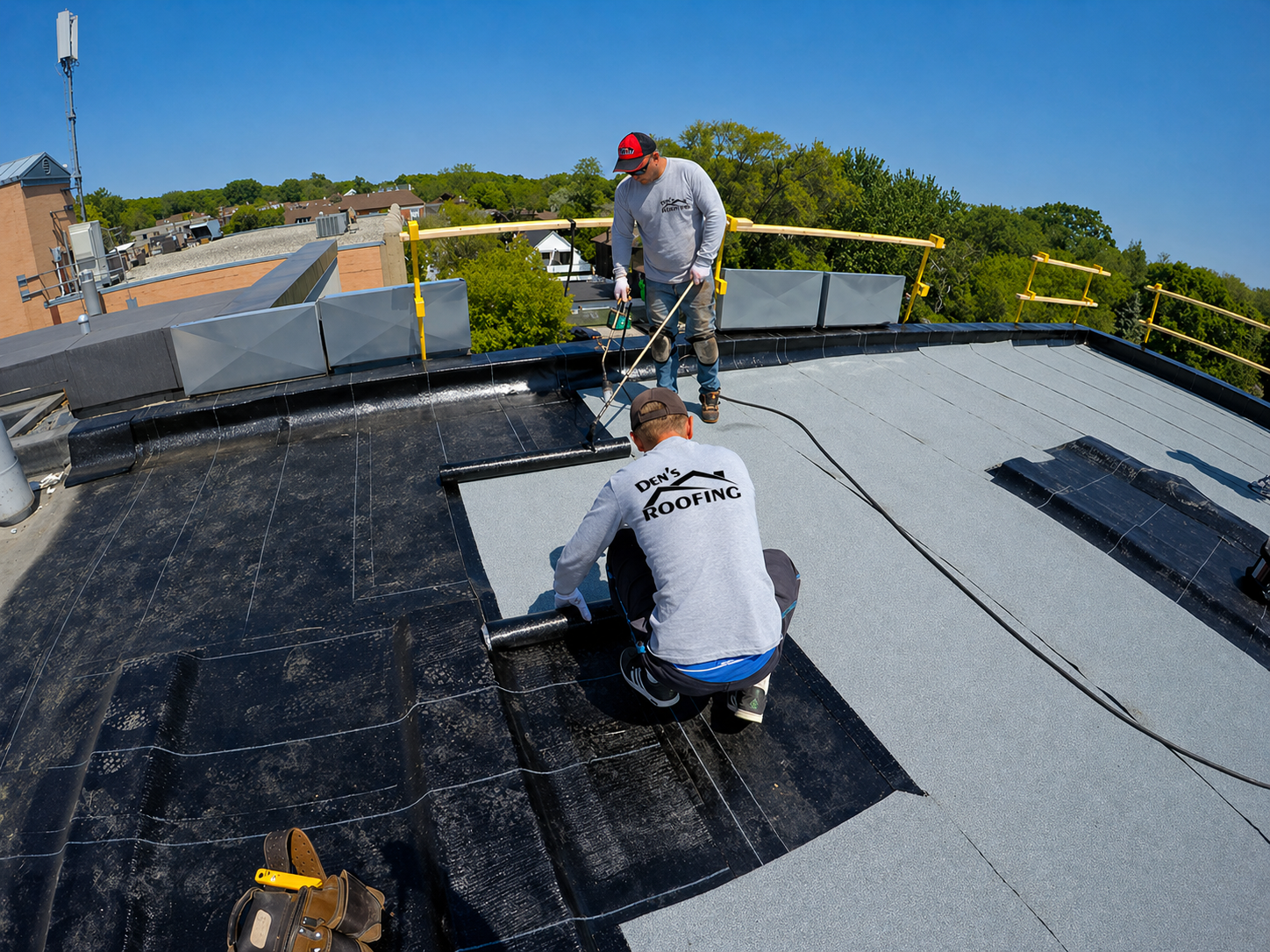
Replacing a roof is one of the most important investments a homeowner can make. A new roof protects the structure of the home, improves energy efficiency, enhances curb appeal, and provides peace of mind during Ottawa’s changing seasons. While the quality of materials and professional installation are critical factors in the success of a roofing project, timing also plays a significant role.
Many homeowners wonder whether there is a “best” time of year to replace a roof. The truth is that roofing projects can often be completed throughout much of the year, but each season offers different advantages and challenges. Planning ahead allows homeowners to choose a time that suits both the property’s needs and Ottawa’s weather conditions.
For homeowners in St Laurent, Rockcliffe, Gloucester, and surrounding Ottawa communities, understanding how each season affects roof replacement can help ensure a smoother project and long-lasting results.
Why Timing Matters for Roof Replacement
Your roof is constantly exposed to the elements, and replacing it at the right time can make the installation process more efficient while reducing the likelihood of weather-related delays.
Choosing the right season can help:
- Improve installation conditions
- Reduce weather interruptions
- Protect the home from unexpected leaks
- Allow roofing materials to perform as intended
- Prepare the property for upcoming seasonal challenges
Rather than waiting until roofing problems become emergencies, planning a replacement ahead of time gives homeowners more flexibility and confidence.
Understanding Ottawa’s Roofing Climate
Ottawa experiences four very distinct seasons, each affecting roofing systems differently.
Throughout the year, roofs are exposed to:
- Heavy snowfall
- Freezing rain
- Strong winds
- High summer temperatures
- Intense UV exposure
- Heavy rainfall
- Freeze-thaw cycles
These changing conditions influence both roof performance and the ideal timing for replacement projects.
Spring Roof Replacement
Spring is a popular time for homeowners to begin thinking about roofing projects.
After winter, many roofs reveal signs of wear caused by snow, ice, and freezing temperatures.
Spring roof replacements offer several benefits:
- Damage from winter becomes easier to identify.
- Comfortable temperatures support roofing work.
- Homes are prepared before summer storms.
- Repairs can be completed before seasonal demand increases.
Spring is also an excellent time to replace roofs that experienced winter leaks or storm damage.
However, occasional rain showers may require flexible scheduling.
Summer Roof Replacement
Summer is traditionally one of the busiest roofing seasons.
Long daylight hours allow roofing crews more time to complete projects efficiently.
Advantages of summer roof replacement include:
- Consistent weather conditions
- Longer working days
- Faster project completion
- Dry roofing surfaces
- Easier scheduling for larger projects
Although Ottawa summers are generally favourable, extremely hot temperatures can create challenges during periods of intense heat. Professional roofing contractors adjust work schedules accordingly to maintain installation quality.
Autumn Is Often Considered Ideal
Many roofing professionals consider autumn one of the best times for roof replacement.
Moderate temperatures create favourable conditions for roofing materials while allowing homeowners to prepare their property before winter.
Benefits of replacing a roof during autumn include:
- Comfortable working temperatures
- Reduced risk of winter leaks
- Preparation before snowfall
- Improved roof performance during winter
- Opportunity to address existing wear before harsh weather arrives
For homeowners whose roofs are showing signs of aging, autumn provides an excellent opportunity to complete replacement before heavy snow begins accumulating.
Winter Roof Replacement
Many people assume roofs cannot be replaced during winter, but this is not always the case.
Depending on weather conditions, roof replacements can still be completed safely and effectively by experienced roofing professionals.
Winter roofing projects may be appropriate when:
- Emergency replacement is necessary.
- Significant storm damage has occurred.
- Active leaks threaten the property.
- Structural damage requires immediate attention.
Because Ottawa winters can be unpredictable, scheduling flexibility is often necessary.
Don’t Wait Until a Leak Appears
One of the most common mistakes homeowners make is delaying roof replacement until water begins entering the home.
By this point, moisture may already have affected:
- Roof decking
- Attic insulation
- Ceiling finishes
- Interior walls
- Structural framing
Replacing an aging roof before major problems develop often saves considerably more than waiting for emergency repairs.
Signs It May Be Time to Replace Your Roof
While every roof ages differently, several warning signs suggest replacement should be considered.
Common indicators include:
- Curling shingles
- Missing shingles
- Frequent leaks
- Granule loss
- Damaged flashing
- Sagging roof sections
- Visible storm damage
- Roof approaching the end of its expected lifespan
If multiple signs are present, scheduling a professional roof assessment is recommended.
Why St Laurent Homeowners Plan Ahead
Many homes in St Laurent experience significant seasonal weather exposure.
Planning roof replacement before winter allows homeowners to prepare for:
- Heavy snowfall
- Ice accumulation
- Strong seasonal winds
- Freeze-thaw cycles
Replacing an aging roof proactively helps reduce the likelihood of emergency repairs during colder months.
Roofing Considerations for Rockcliffe
Rockcliffe features many mature properties with established trees and diverse architectural styles.
Older homes may require closer evaluation because aging roofing systems often develop hidden issues over time.
Planning roof replacement before problems worsen helps preserve both the home and its long-term value.
Why Gloucester Homeowners Replace Roofs Before Winter
Gloucester includes both newer developments and established neighbourhoods.
Many homeowners choose autumn roof replacement to ensure their homes are protected before snow and freezing temperatures arrive.
Preparing ahead helps reduce weather-related risks while allowing roofing projects to be completed under more favourable conditions.
Roof Replacement Improves Energy Efficiency
Replacing an aging roof provides more than weather protection.
A new roofing system can also improve:
- Attic ventilation
- Moisture control
- Insulation performance
- Indoor comfort
- Energy efficiency
These improvements help maintain more consistent indoor temperatures throughout every season.
Choosing the Right Roofing Materials
Roof replacement also provides an opportunity to evaluate roofing materials.
Professional roofing contractors help homeowners select products appropriate for:
- Roof slope
- Home design
- Ottawa weather conditions
- Long-term durability
- Maintenance expectations
Choosing quality materials contributes significantly to roof performance and lifespan.
Why Professional Planning Matters
Every roofing project is different.
Professional assessments consider:
- Roof age
- Structural condition
- Existing ventilation
- Flashing condition
- Drainage systems
- Previous repairs
- Seasonal timing
Planning ahead allows homeowners to make informed decisions without the pressure of emergency situations.
Building a Long-Term Roofing Strategy
Rather than viewing roof replacement as an unexpected expense, many homeowners include it within a long-term property maintenance plan.
A proactive roofing strategy includes:
Annual Roof Inspections
Regular inspections help identify developing concerns before they require extensive repairs.
Seasonal Maintenance
Cleaning gutters, removing debris, and checking flashing help preserve roofing performance.
Prompt Repairs
Addressing minor damage early reduces unnecessary wear on surrounding roofing materials.
Planned Replacement
Replacing the roof before major failure occurs helps avoid emergency costs while protecting the home’s structure.
Benefits of Replacing Your Roof Before Winter
Completing roof replacement before winter provides several important advantages.
Homeowners can enjoy:
- Greater protection from snow and ice
- Reduced risk of leaks
- Improved energy efficiency
- Better attic ventilation
- Increased property value
- Greater peace of mind throughout winter
Preparing before severe weather arrives allows the roof to perform at its best when it is needed most.
Final Thoughts
Choosing the right time of year for roof replacement is an important part of protecting your home and maximizing the value of your investment. While roofing projects can often be completed throughout much of the year, planning ahead allows homeowners to take advantage of favourable weather conditions while avoiding unnecessary stress and emergency repairs.
For homeowners in St Laurent, Rockcliffe, Gloucester, and throughout Ottawa, replacing an aging roof before significant problems develop helps protect the home against changing weather while improving comfort, efficiency, and long-term performance. By combining professional inspections, quality materials, and thoughtful scheduling, homeowners can ensure their new roof provides dependable protection for many years to come.
Frequently Asked Questions
What is the best season to replace a roof in Ottawa?
Many homeowners choose late spring, summer, or autumn because these seasons often provide favourable weather conditions. Autumn is especially popular since it prepares the home for winter.
Can roofs be replaced during winter?
Yes. Depending on weather conditions and the type of roofing project, experienced roofing professionals can complete roof replacements during winter when necessary.
Should I replace my roof before it starts leaking?
Yes. Replacing an aging roof before leaks develop helps prevent interior water damage, insulation problems, mold growth, and costly structural repairs.
How do I know if my roof is ready for replacement?
Common signs include curling or missing shingles, recurring leaks, damaged flashing, sagging areas, granule loss, and a roof approaching the end of its expected service life.
Does replacing my roof improve energy efficiency?
A new roof, combined with proper ventilation and modern roofing components, can improve attic performance, reduce heat loss, and contribute to lower energy costs.